
Rugby protection gear covers a few distinct product types, and it helps to understand what each one actually is before comparing prices. This guide explains headguards, shoulder pads, and mouthguards: what they are, how they are worn, and the practical differences between the options.
We’ll keep it focused on the buying decision so you know what to look for across the protection products we compare.
If you’re starting from scratch, a mouthguard is the usual first purchase, with a headguard or shoulder pads added based on your position and how much you want covered. Forwards and frequent tacklers tend to prioritise headguards and fuller body armour, while many backs prefer lighter, low-profile options.
Whichever type you’re looking at, fit and comfort come first, and price varies by size and retailer. Compare the current offers below, and check the manufacturer’s product information and World Rugby guidance for anything relating to what is permitted in play.
Headguards (scrum caps)
A headguard, often called a scrum cap, is a soft, padded cap worn over the head and fastened under the chin. It is made from foam padding held in a fabric or synthetic shell, usually with ventilation holes and an adjustable chin strap.
Headguards vary mainly in padding thickness, shell material and fit. Some are lightweight and low-profile, others have thicker padding around the ears and crown. Sizing is typically based on head circumference, so measuring before comparing options is worthwhile.
They are popular with forwards and anyone regularly involved in the breakdown and heavy contact but many backs wear them too. Fit and comfort are the practical priorities, since a headguard that shifts or feels tight is unlikely to be worn consistently.
Shoulder pads and body armour
Shoulder pads, or sometimes referred to as body armour, are worn like a close-fitting vest under the jersey. They combine a compression base layer with padding positioned over the shoulders, and sometimes the chest, sternum and upper arms depending on the design.
The main practical differences are how much of the upper body the padding covers and how thick or dense that padding is. Some options are minimal, covering just the shoulder caps; others extend padding across the chest and back. A lot of it comes down to personal preference.
- Lighter, lower-profile pads suit players who want minimal bulk and freedom of movement.
- Fuller-coverage armour offers more padding across the torso for players in high-contact positions.
- Fit matters: body armour is designed to sit snugly, so sizing to your chest measurement is important.
Mouthguards
There are two broad types of mouthguards: boil-and-bite guards, which you soften in hot water and then shape to your teeth at home, and custom-fitted guards made by a dentist from an impression.
Boil-and-bite guards are the more affordable and widely available option, and come in adult and junior sizes. Custom guards cost more and are made specifically to your mouth, which is why they are usually bought through a dental provider rather than a general retailer.
Colour and thickness options vary, but the key practical decision is between the convenience and lower price of boil-and-bite versus the tailored fit of a custom guard.
How to choose between them
Most players build up their protection gear over time rather than buying everything at once. A mouthguard is the most common starting point, followed by a headguard or shoulder pads depending on position and personal preference.
Think about position and how much contact you’re regularly involved in, then prioritise fit over features. Protection gear only works as intended when it fits correctly and is comfortable enough to wear every session.
Junior players are usually catered for with dedicated sizing across all three product types, so check age or size guides rather than assuming an adult product will scale down.
Comparing prices across retailers
Prices for rugby protection gear vary considerably by type. Mouthguards are the cheapest, headguards sit in the middle, and shoulder pads or full body armour tend to be the most expensive, with price rising alongside coverage and brand.
Prices also differ between retailers and by size, and stock on specific sizes changes regularly. It’s worth comparing current offers across the retailers we cover before buying, particularly for headguards and body armour where the same product can vary in price by size.
The comparison grid below shows the latest available prices from the retailers and brands we track.
Some of the protection we cover
 Gilbert Rugby Octane Headguard – Junior – Red/WhiteNo offers today
 Opro Self-Fit Gold – Black/Goldfrom £20.00
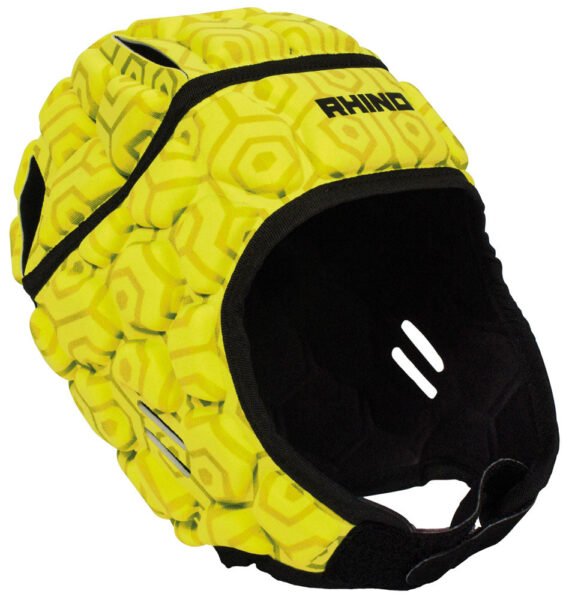 Rhino Pro Headguard – Yellowfrom £30.10
 Canterbury Pro Protection Vest – Junior – Black/GreenNo offers today
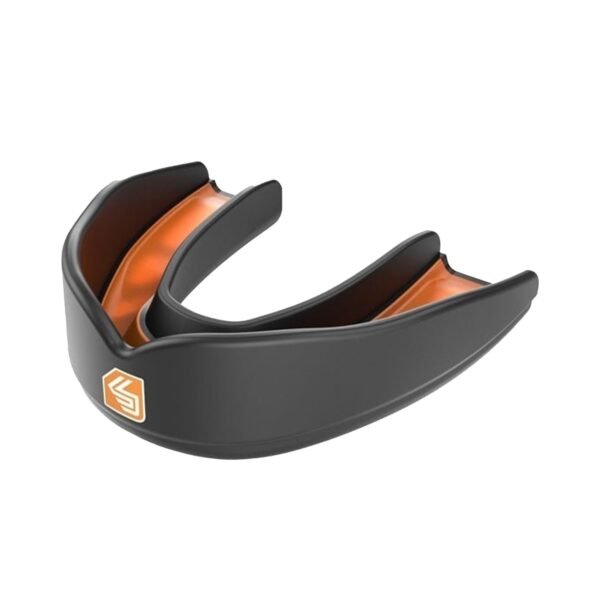 Shock Doctor Multi Sport Mouthguard – Junior – Black/Orangefrom £13.50
 OXEN Pro Headguard – Junior – Black/Whitefrom £18.00
FAQ
What are the main types of rugby protection gear?
The main types of rugby protection gear are headguards (scrum caps), shoulder pads or body armour, and mouthguards.
Do I need shoulder pads to play rugby?
Shoulder pads are optional and down to personal preference and position. Players in high-contact roles often choose fuller coverage, while others prefer lighter pads or none. .
What’s the difference between boil-and-bite and custom mouthguards?
A boil-and-bite mouthguard is softened in hot water and shaped to your teeth at home, and is the cheaper, widely available option. A custom mouthguard is made by a dentist from an impression of your mouth for a tailored fit, and generally costs more.
RugbyDeals helps you compare prices across the retailers and products we feature on our site. Prices and stock can change, so always confirm the final details on the retailer’s site before buying. Our content is for general information only and isn’t safety, medical or buying advice — always follow the manufacturer’s guidance and speak to a professional where it matters. We may earn a commission when you buy through our links, at no extra cost to you.